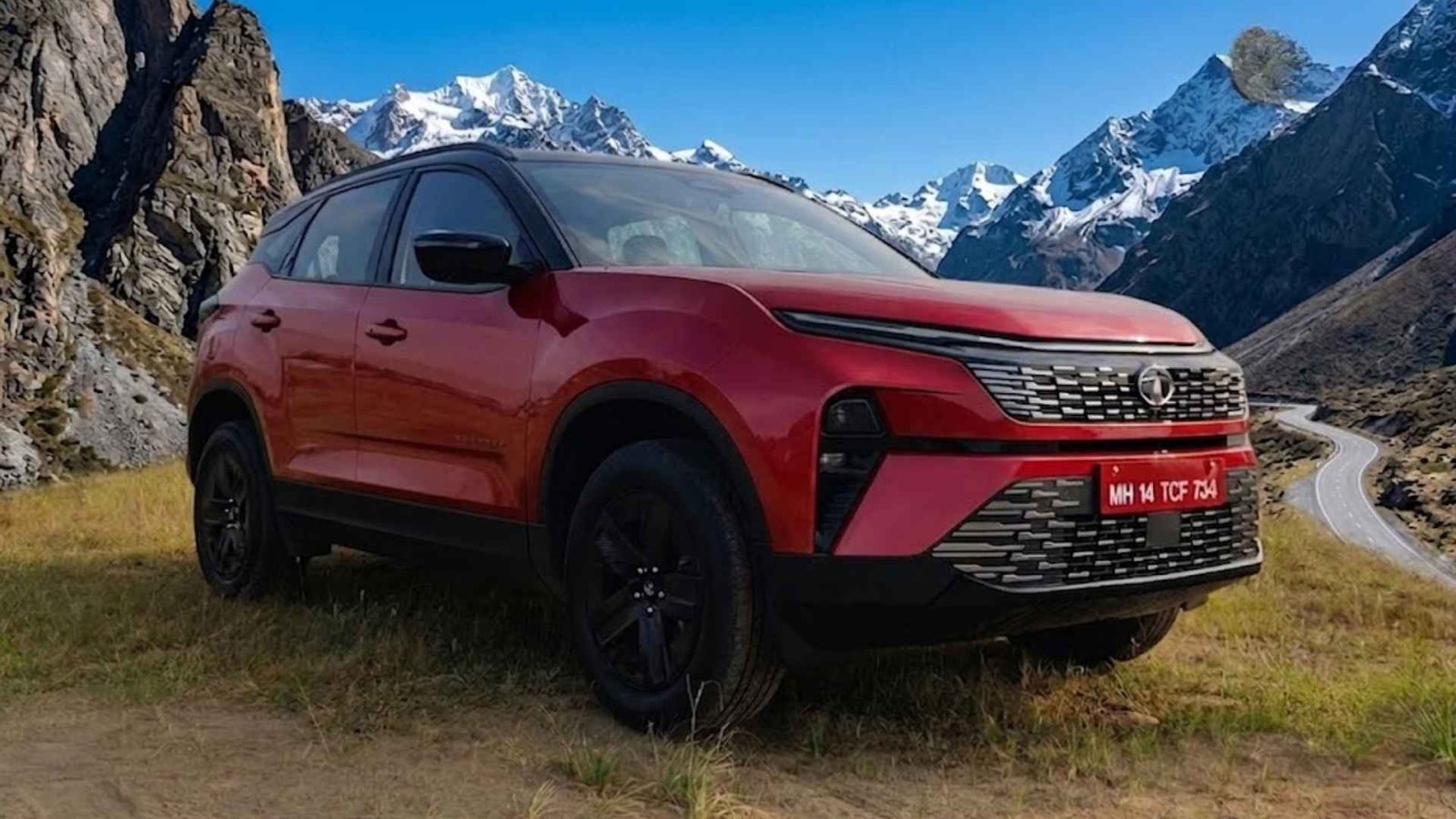
Tata Harrier vs Rivals-Somewhere between the compact SUVs everyone can afford and the full-size ones most people can’t, sits a segment that genuinely confuses Indian buyers the most — the mid-size SUV space. And right in the middle of that confusion stands the Tata Harrier, a car that’s been a familiar sight on Indian roads since 2019 and has only gotten more capable with time.
But here’s the honest question buyers keep asking: in a Tata Harrier vs Rivals face-off against the likes of the Hyundai Creta, Mahindra XUV700, MG Hector, and Jeep Compass, does it still hold its ground as the best family SUV? Let’s actually dig into this properly instead of just repeating spec sheets.
Tata Harrier Key Details at a Glance
Before comparing it with rivals, here’s a quick snapshot of what the Harrier itself brings to the table.
| Detail | Information |
|---|---|
| Ex-showroom Price Range | Roughly ₹12.89 lakh to ₹25.85 lakh |
| Engine Options | 1.5L Turbo-Petrol, 2.0L Turbo-Diesel |
| Petrol Power Output | Around 168 bhp, 280 Nm |
| Diesel Power Output | Around 170 bhp, 350 Nm |
| Transmission Options | 6-speed Manual, 6-speed Torque Converter Automatic |
| ARAI Mileage (Diesel) | Around 16.8 kmpl |
| Real-world Mileage (owner-reported) | Roughly 12-14 kmpl city, up to 16 kmpl highway |
| Safety Rating | 5-star Bharat NCAP |
| Airbags | Up to 7 (6 standard across the range) |
| ADAS | Level 2, with 20+ features on top variants |
| Seating Capacity | 5 |
| Ground Clearance & Platform | Built on the Land Rover-derived OMEGA-ARC platform |
| Key Rivals | Hyundai Creta, Mahindra XUV700, MG Hector, Jeep Compass |
Now let’s see how these numbers actually translate to real-world value against the competition.
What Makes the Tata Harrier Stand Out?
Road Presence and Build
The Harrier has always had a certain “don’t mess with me” presence on the road, thanks to its wide stance, chrome-detailed grille, and connected LED lighting front and back. Being underpinned by the Land Rover-derived OMEGA-ARC platform gives it a genuinely solid, planted feel that a lot of buyers notice the moment they shut the door — that reassuring thud rather than a tinny clank.
Cabin and Comfort
Inside, the Harrier offers a spacious five-seat cabin with a panoramic sunroof, JBL sound system, and a large touchscreen (up to 14.53 inches on top trims) that genuinely feels premium for the price. Dual-zone climate control, ventilated front seats on higher variants, and rear window shades add a layer of comfort that families doing long road trips will appreciate.
Engine Choice: Petrol or Diesel?
This is where the Harrier has become genuinely more flexible in 2026. For years it was diesel-only, but Tata has now added a 1.5-litre turbo-petrol option alongside the familiar 2.0-litre diesel. The petrol surprises with strong low-end performance despite its smaller size, though it lacks the diesel’s flexibility once you’re past the initial punch. The diesel, meanwhile, continues to be the more practical choice for those doing serious highway distances, offering effortless overtaking and a wide, usable powerband, even if it gets a bit noisy under hard acceleration.
Safety Tech
Safety continues to be a strong pillar for the Harrier. It carries a 5-star Bharat NCAP rating, with 6 airbags standard and up to 7 on certain variants. Top-spec trims also get Level 2 ADAS with more than 20 features, which is genuinely competitive for this price bracket.
Tata Harrier vs Hyundai Creta: Practicality vs Presence
The Creta remains India’s best-selling mid-size SUV for good reason — it’s practical, efficient, and has one of the widest service networks in the country. It’s also available with a hybrid powertrain option in some markets, which appeals to efficiency-focused buyers.
However, the Harrier counters with a noticeably bigger road presence, a more spacious cabin for taller passengers, and arguably a more premium in-cabin feel with features like the panoramic sunroof and JBL audio. If outright road presence and space matter more to you than badge value and resale numbers, the Harrier edges ahead here. If everyday efficiency and Hyundai’s dealer network peace of mind matter more, the Creta remains a strong pick.
Tata Harrier vs Mahindra XUV700: Power vs Balance
The XUV700 is, frankly, a genuine performance monster in this segment, especially in its diesel automatic form, and it also offers the flexibility of a 7-seat layout for larger families — something the Harrier, being strictly a 5-seater, doesn’t offer.
That said, the Harrier tends to feel slightly more refined and composed in daily city use, and its cabin materials, while comparable, lean towards a more understated, premium feel rather than the XUV700’s more tech-heavy dashboard approach. If you specifically need a third row of seats, the XUV700 (or Tata’s own Safari) is the way to go. If five seats are enough and you want strong road manners with a slightly calmer cabin experience, the Harrier holds its own.
Tata Harrier vs MG Hector: Tech-Loaded vs Balanced
The Hector has built its identity around being the most tech-loaded SUV in the segment, with a massive touchscreen and a long features list. It’s a genuinely comfortable city cruiser, especially for buyers who prioritise a plush ride over outright dynamics.
The Harrier, in comparison, offers a more balanced overall package — better highway manners, a stronger safety reputation, and arguably a more solid, reassuring build quality. If in-car tech and gadgetry excite you the most, the Hector deserves a serious look. If you want an SUV that feels equally at home on a highway stretch and in daily traffic, the Harrier tends to come out ahead.
Tata Harrier vs Jeep Compass: Off-Road Character vs Everyday Usability
The Compass carries genuine off-road DNA and a certain international badge appeal that some buyers specifically look for. It’s a capable SUV in its own right, but its service network and running costs can be a consideration for buyers outside major cities.
The Harrier, meanwhile, offers a wider service reach thanks to Tata’s expanding dealer network, generally lower running and maintenance costs, and a more contemporary feature list at a comparatively accessible price point. For most Indian family buyers doing city and highway driving rather than serious off-roading, the Harrier is the more practical, everyday-usable choice.
Real-Life Usage: What’s It Like to Actually Live With the Harrier?
City Driving
Given its size, the Harrier is understandably not the easiest SUV to thread through narrow city lanes, but the commanding driving position and reasonably good visibility help offset this. The automatic variant, in particular, makes daily commuting noticeably less tiring compared to the manual.
Highway Driving
This is genuinely where the Harrier feels most in its element. The diesel, in particular, is a strong highway companion — stable at high speeds, planted through corners, and confident overtaking even when the cabin is fully loaded. Owners frequently mention that 100-120 kmph cruising feels relaxed rather than stressful, which matters a lot for long family road trips.
Real-World Mileage
ARAI-claimed mileage for the diesel sits around 16.8 kmpl, but real-world figures, as per owner feedback, typically land around 12-14 kmpl in city traffic and closer to 16 kmpl on steady highway runs. Your actual number will naturally vary depending on load, driving style, and traffic conditions, so treat these as a realistic range rather than a guarantee.
Ownership and Maintenance Cost
Tata’s after-sales network has expanded considerably over the past few years, making the Harrier a genuinely more serviceable option today than it was at launch in 2019. That said, actual service costs and turnaround times can still vary noticeably city to city, so it’s worth checking with your local Tata service centre for specifics before committing.
Diesel variants, being mechanically more complex, generally carry marginally higher long-term maintenance costs compared to the petrol — this is fairly standard across the industry rather than a Harrier-specific concern. It’s also worth noting that Tata occasionally introduces special editions like the Stealth Edition, which come with unique matte finishes; if you go this route, be prepared for slightly more careful maintenance since matte paint needs different care compared to regular gloss finishes.
Who Should Buy the Tata Harrier?
- Families who want a spacious, five-seat SUV with genuine road presence
- Buyers who do a lot of highway driving and want a capable, comfortable diesel option
- Anyone prioritising safety, given the Harrier’s strong NCAP rating and available ADAS suite
- Buyers who want flexibility between petrol and diesel depending on their driving pattern
- Those who value a more understated, premium cabin feel over flashy tech-first dashboards
Who Should Probably Avoid It?
- Larger families needing a genuine third row — look at the Tata Safari or Mahindra XUV700 instead
- Buyers who mostly drive in extremely congested city lanes where the Harrier’s size can feel like a handful
- Those chasing the absolute best fuel efficiency numbers in the segment — the Creta and some rivals do slightly better here
- Buyers specifically wanting factory-backed off-road capability — the Jeep Compass leans more into that space
Honest Pros and Cons
Pros:
- Strong road presence and solid build quality from the Land Rover-derived platform
- Genuine engine choice now available — both petrol and diesel
- 5-star Bharat NCAP rating with up to 7 airbags and Level 2 ADAS on top trims
- Spacious, feature-rich cabin with panoramic sunroof and JBL audio
- Confident, stable highway manners for long family trips
Cons:
- No 7-seat option — strictly a 5-seater
- Real-world city mileage is on the lower side for the segment
- Diesel engine gets noticeably noisy under hard acceleration
- Can feel a bit large and unwieldy in extremely tight city lanes
- Automatic variants push the price meaningfully higher
Final Verdict: Is the Tata Harrier the Best Family SUV?
There’s no universal winner in the Tata Harrier vs Rivals debate — the “best” SUV genuinely depends on what your family prioritises. If you want maximum road presence, a strong safety record, and genuine engine flexibility, the Harrier is very hard to beat in this price bracket. If you need three rows of seating, the XUV700 or Safari make more sense. If outright efficiency and dealer reach matter most, the Creta remains tough competition.
Taken purely as a five-seat, highway-friendly family SUV with a commanding road presence and solid safety credentials, the Tata Harrier absolutely deserves to be on your shortlist — and for a lot of buyers, it will likely end up being the final choice after a proper test drive.
Frequently Asked Questions (FAQs)
Q1. What is the price range of the Tata Harrier? The Tata Harrier is priced roughly between ₹12.89 lakh and ₹25.85 lakh (ex-showroom), depending on variant, engine, and transmission choice.
Q2. Is the Tata Harrier a 5-seater or 7-seater SUV? The Harrier is strictly a 5-seater. Buyers needing a third row should consider the Tata Safari or rivals like the Mahindra XUV700.
Q3. Which is better — Tata Harrier petrol or diesel? The petrol suits buyers who drive mostly in the city and want smoother, quieter performance, while the diesel remains the better choice for those covering high highway mileage regularly.
Q4. Is the Tata Harrier safe? Yes, it holds a 5-star Bharat NCAP rating, comes with up to 7 airbags (6 standard), and offers Level 2 ADAS on top variants.
Q5. What is the real-world mileage of the Tata Harrier? As per owner-reported figures, expect around 12-14 kmpl in city driving and up to 16 kmpl on the highway, though this varies with driving style and load.
Q6. Which SUVs directly compete with the Tata Harrier? Its main rivals include the Hyundai Creta, Mahindra XUV700, MG Hector, and Jeep Compass.
Q7. Is a new-generation Tata Harrier coming soon? As of now, the Harrier has not received a full next-generation launch; Tata has instead added a turbo-petrol engine option and special editions. Any further updates remain expected rather than officially confirmed.